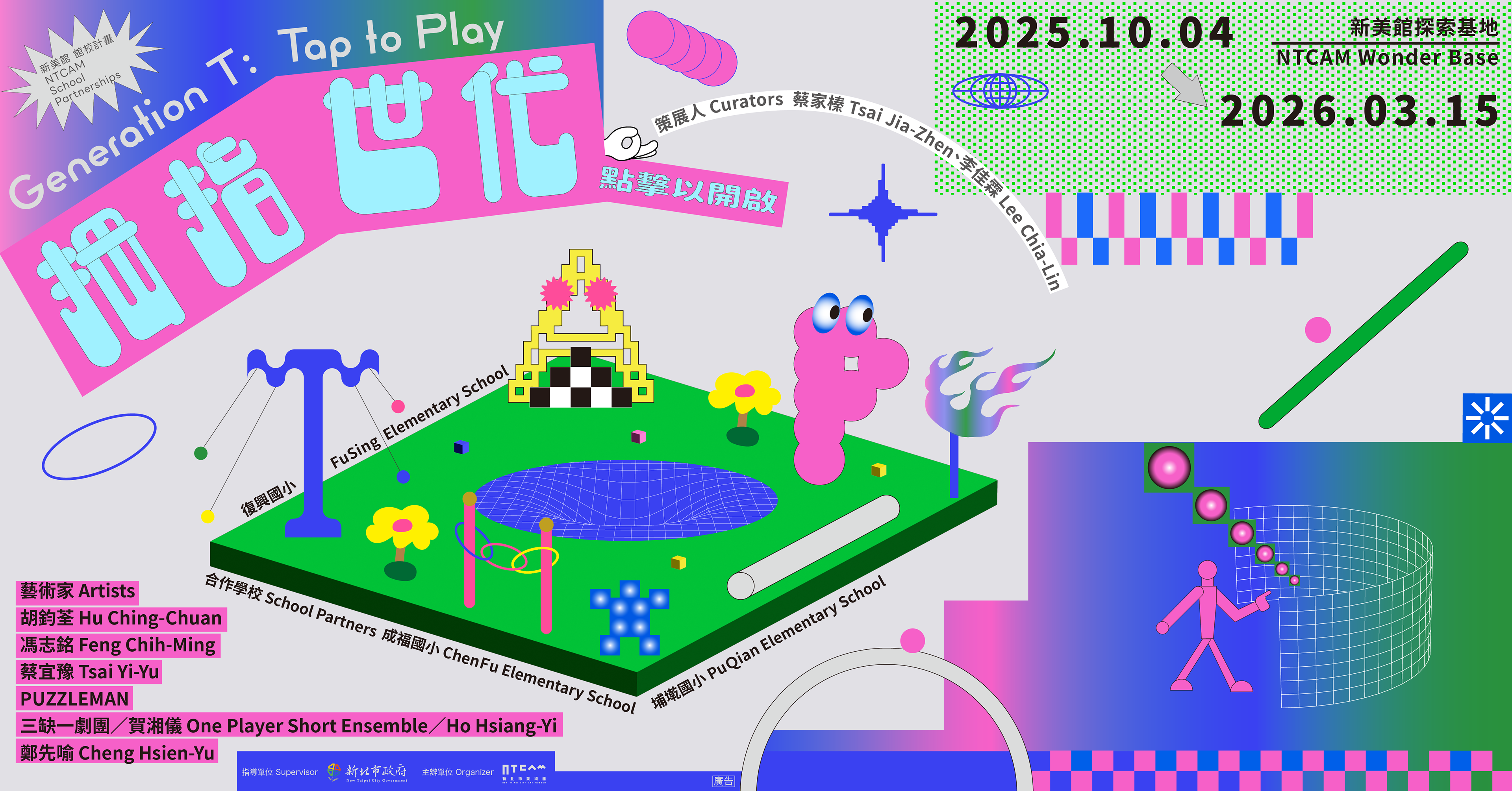
The term “Generation T” takes inspiration from French philosopher Michel Serres’ book Petite Poucette(Thumbelina). Serres observed that today’s younger generation interacts with the world through their thumbs—using mobile phones and the internet. This shift has not only changed daily life but also reshaped the ways of knowledge acquisition and learning.
Here, a “tap” is more than just the action of a finger on a screen; it symbolizes the children’s connection with the history of their hometowns. Each tap becomes like turning a page, beginning a dialogue, or sparking a new understanding.
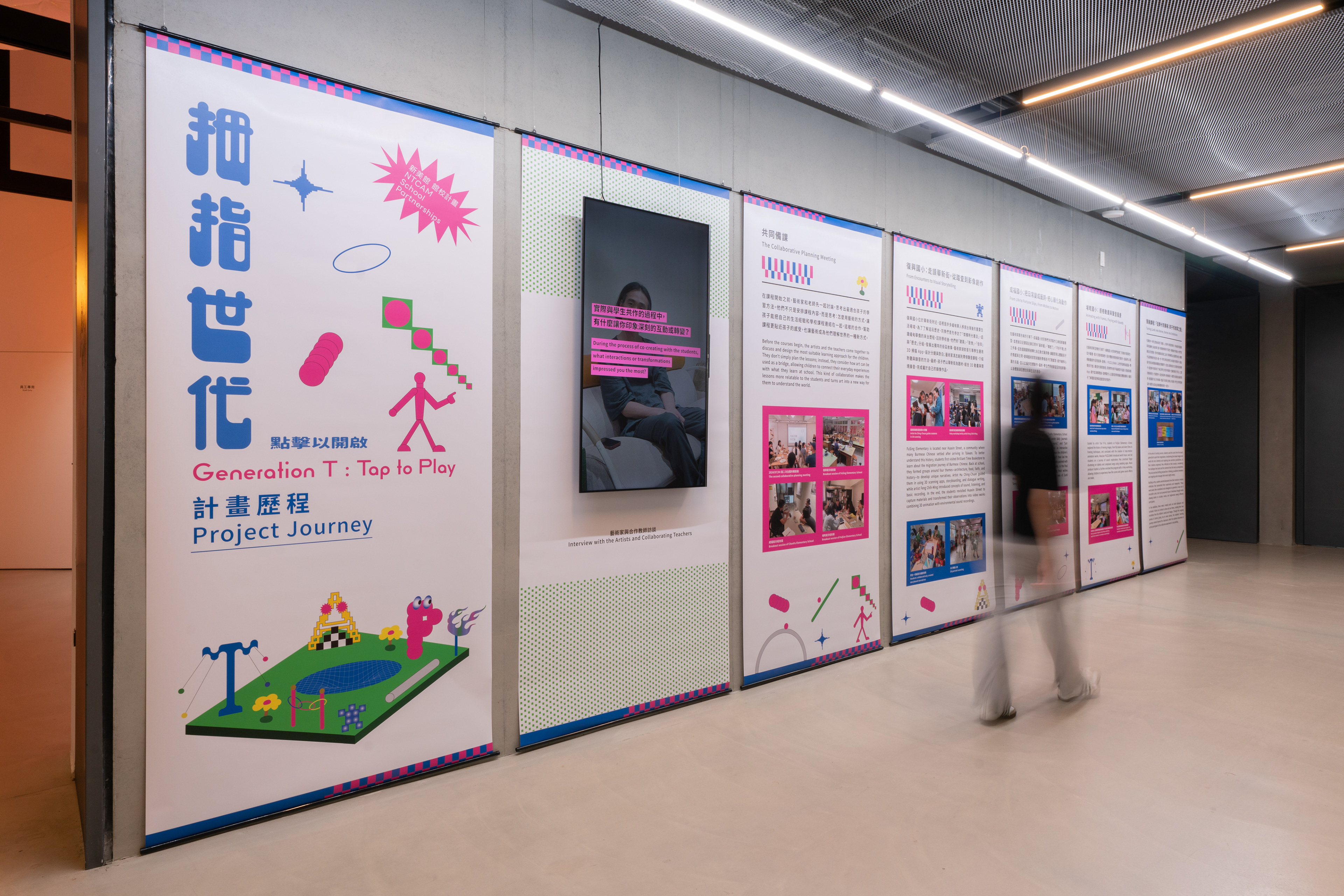
Building on this idea, "Generation T: Tap to Play" starts from the digital habits most familiar to children, reflecting on how technology influences our ways of sensing and learning. The project brings together artists, students, teachers, the museum, and the curatorial team, working collaboratively through dialogue and creative practice to bring contemporary art into classrooms and transform classrooms into sites of artistic encounter.
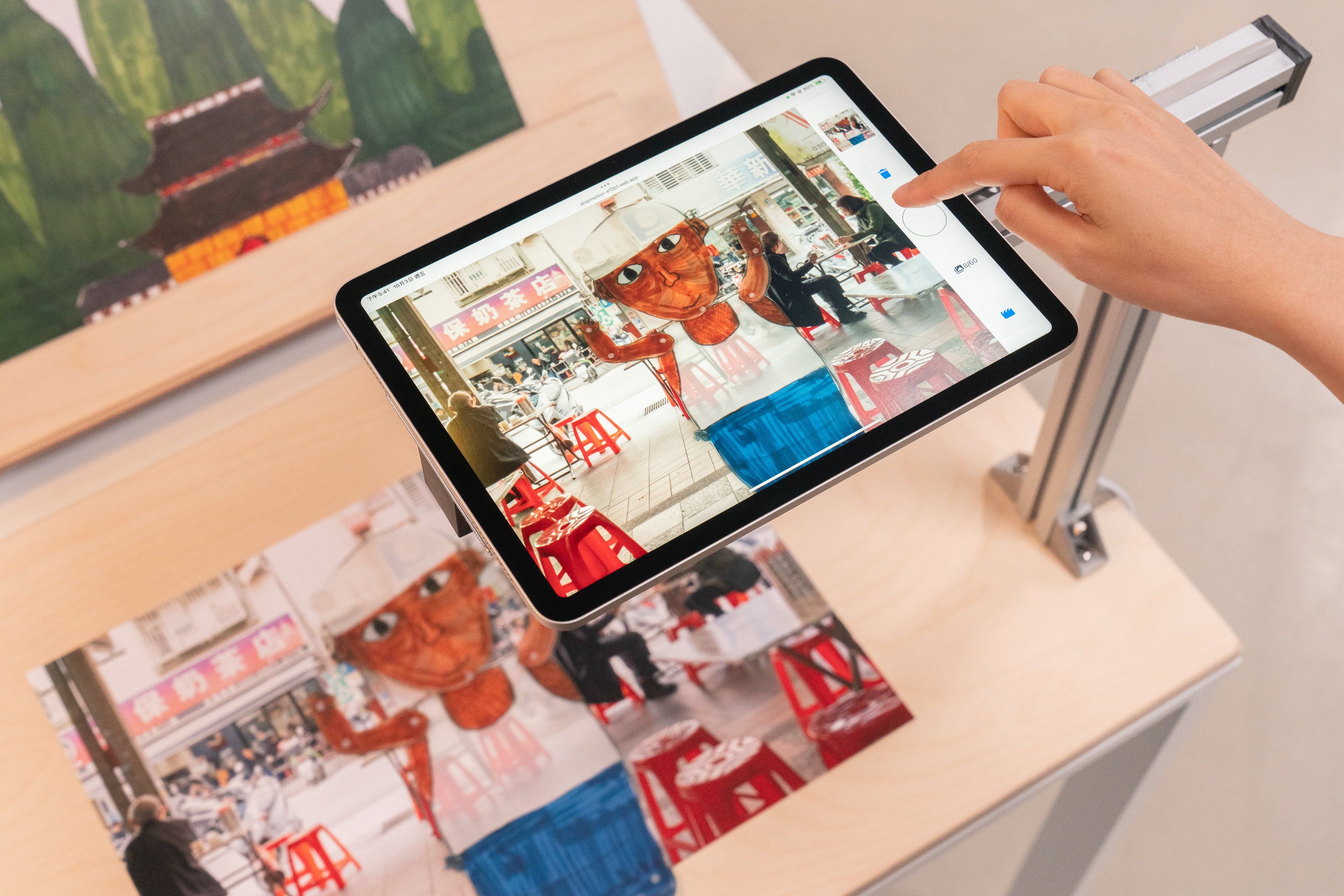
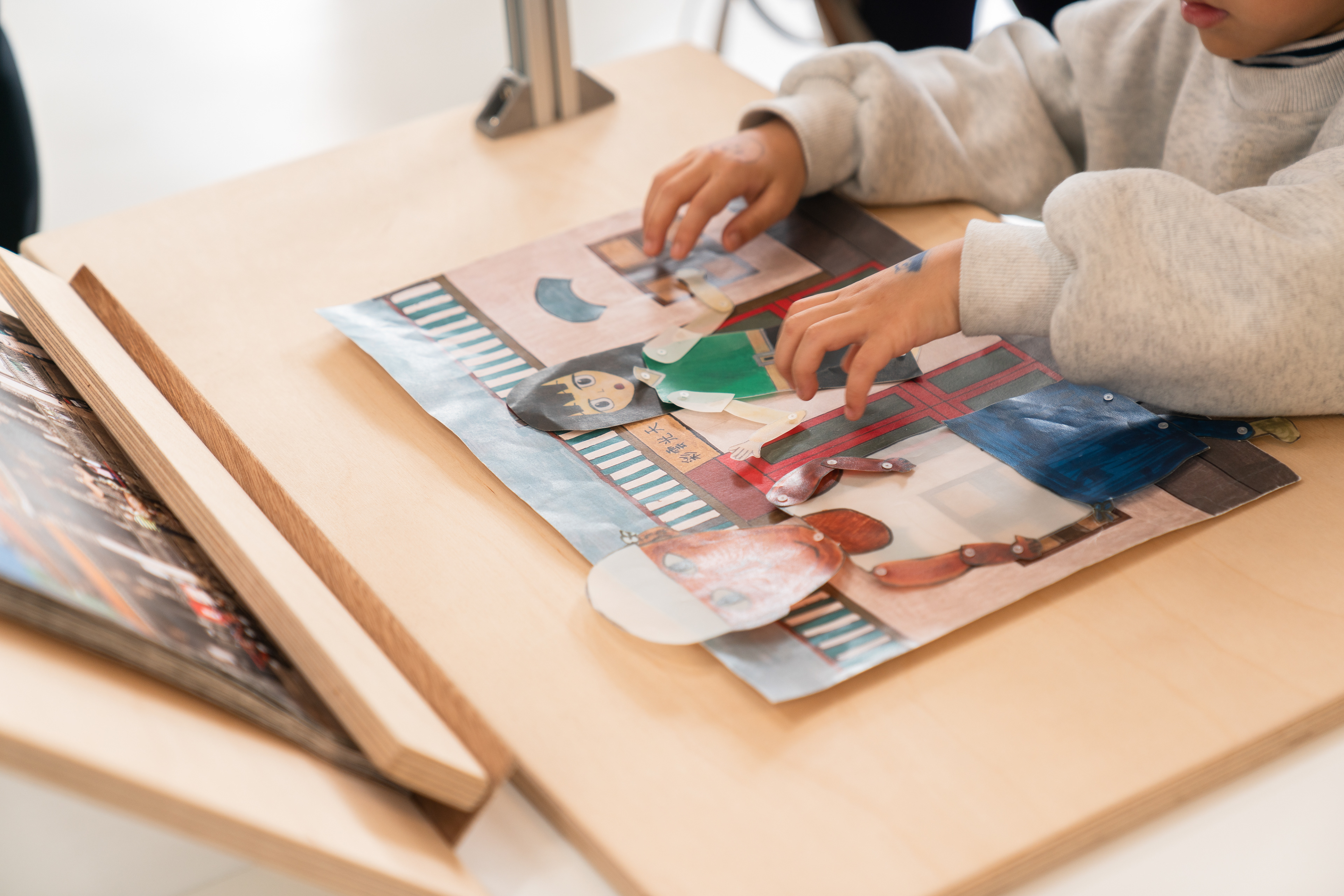
Throughout the process, children developed three key abilities: the imagination to reorganize life and memory into stories; a sense of place built through fieldwork, observation, and dialogue with their communities; and the technical skills to use digital media and creative tools to express their ideas in multiple forms.
The program began with co-planning between artists and teachers, followed by artists introducing new media and methods into the classroom. Students then created their own works, refining them through exchange and feedback. Finally, they practiced curatorial thinking to interpret and present their projects, culminating in this exhibition shared with the public.
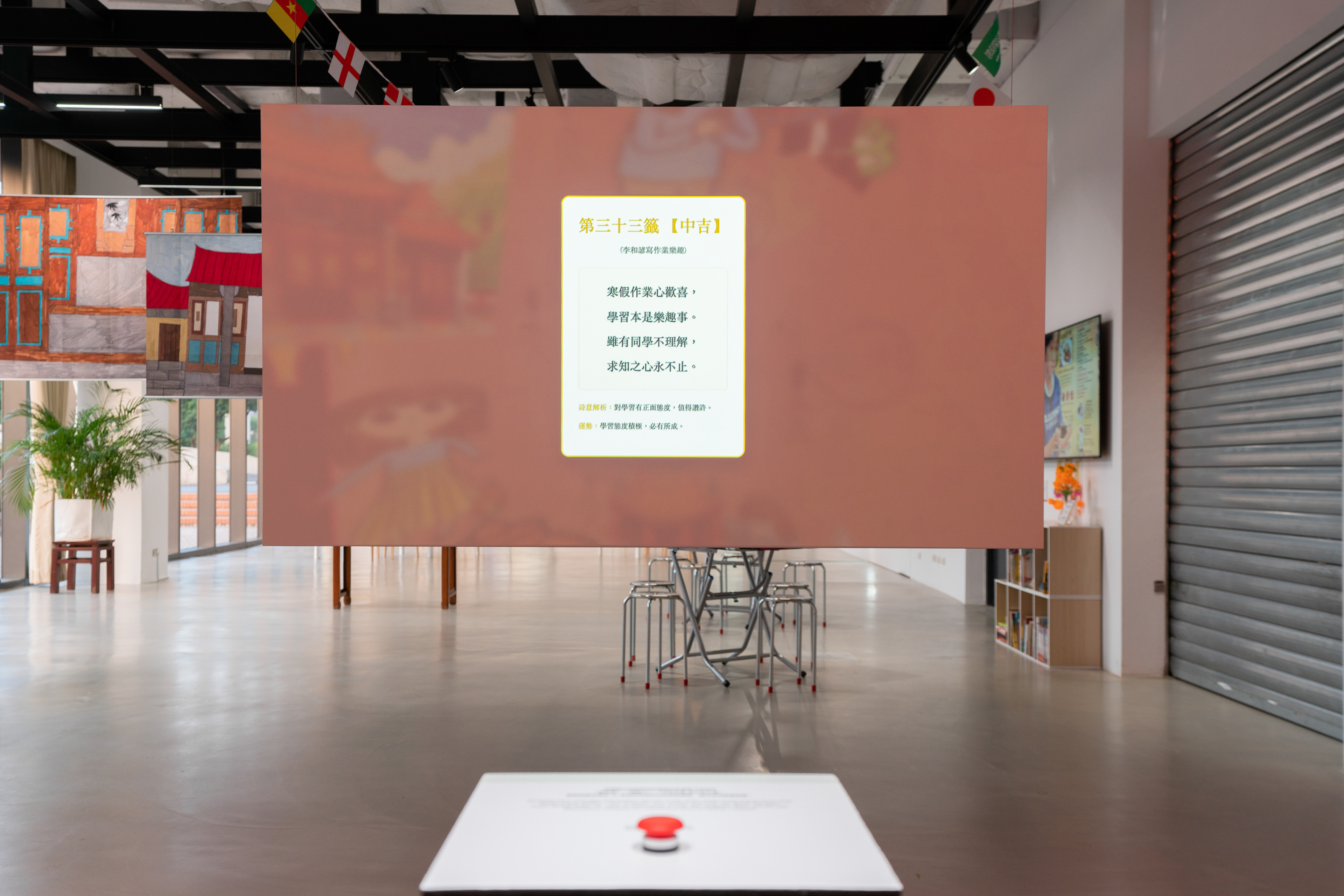
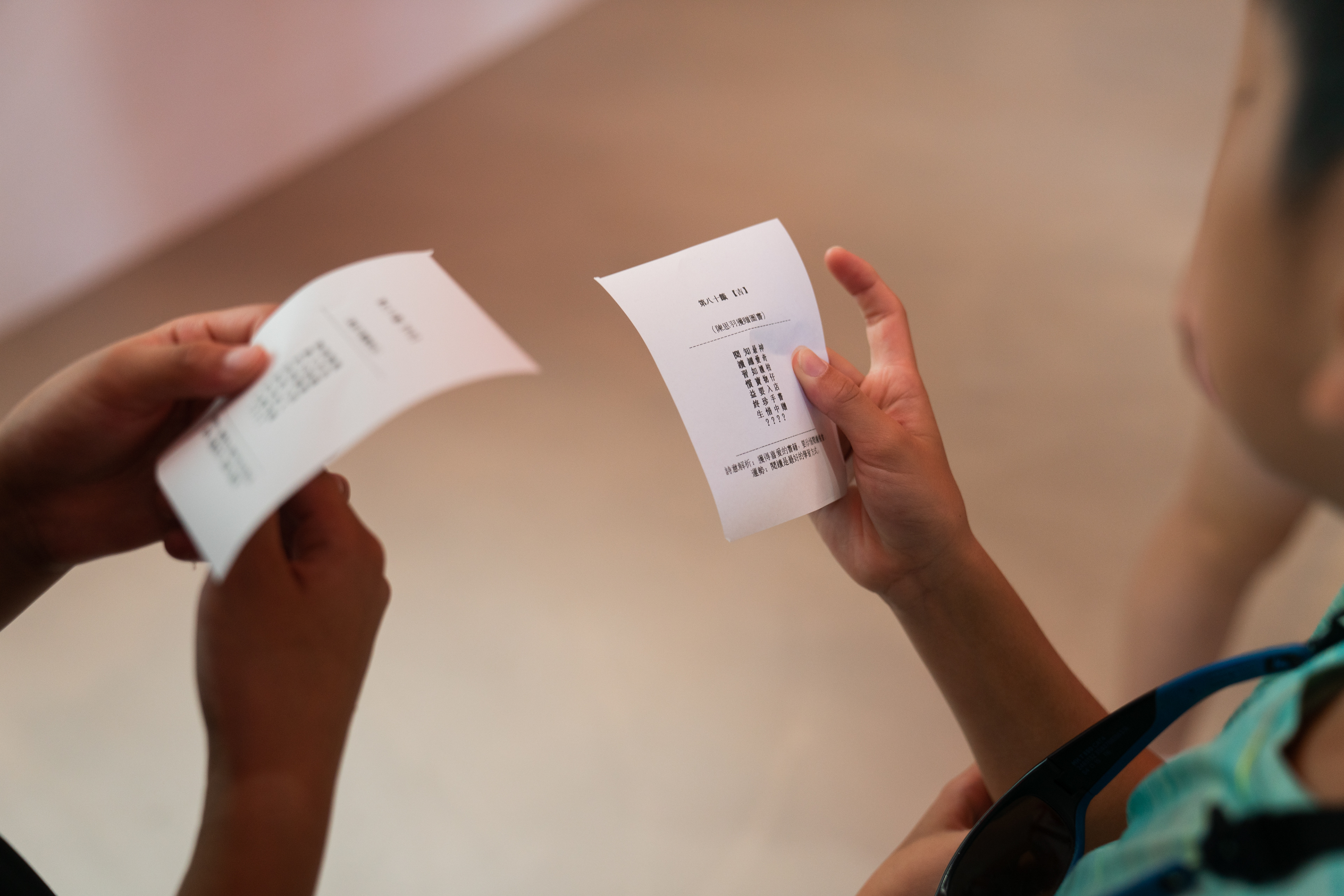
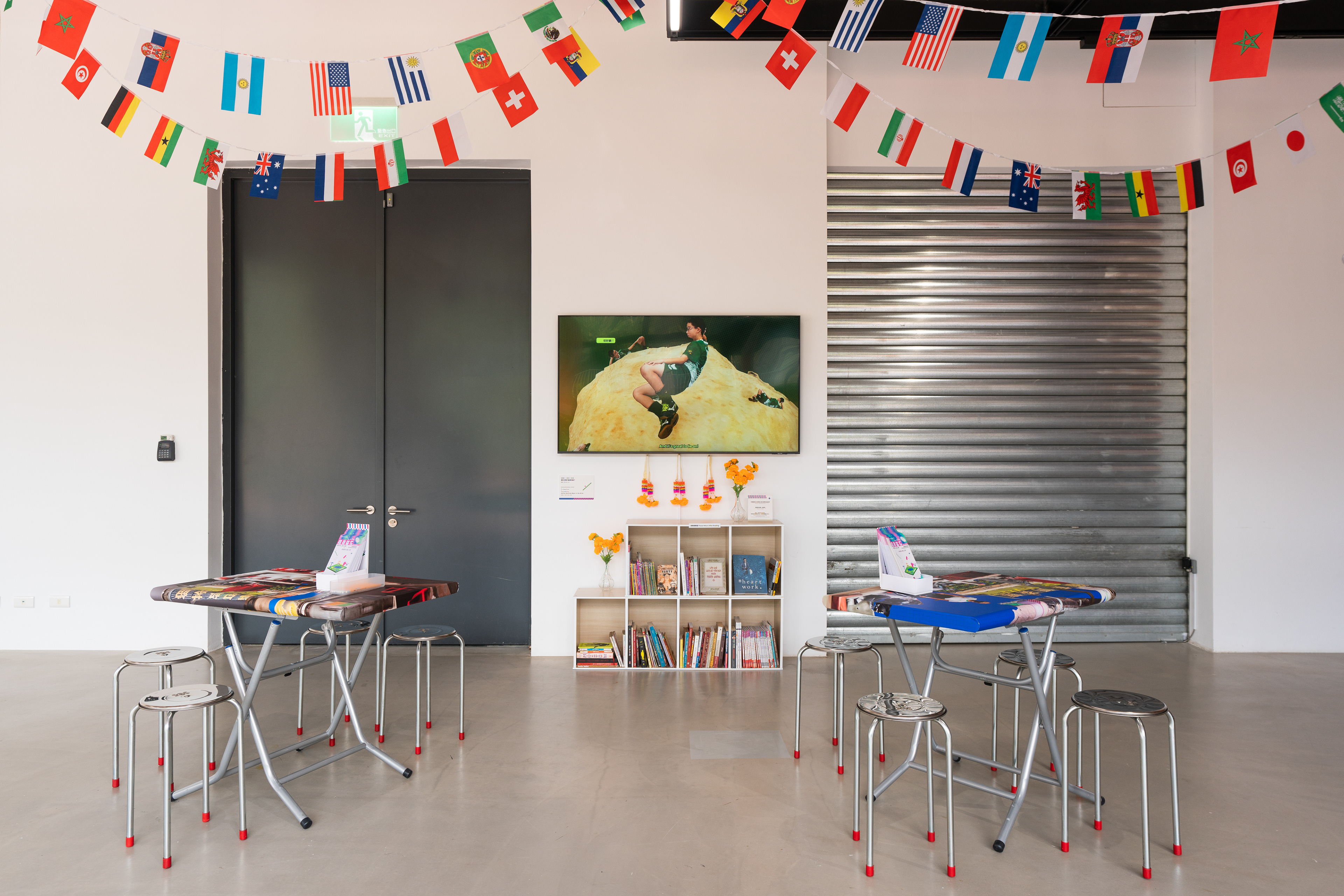
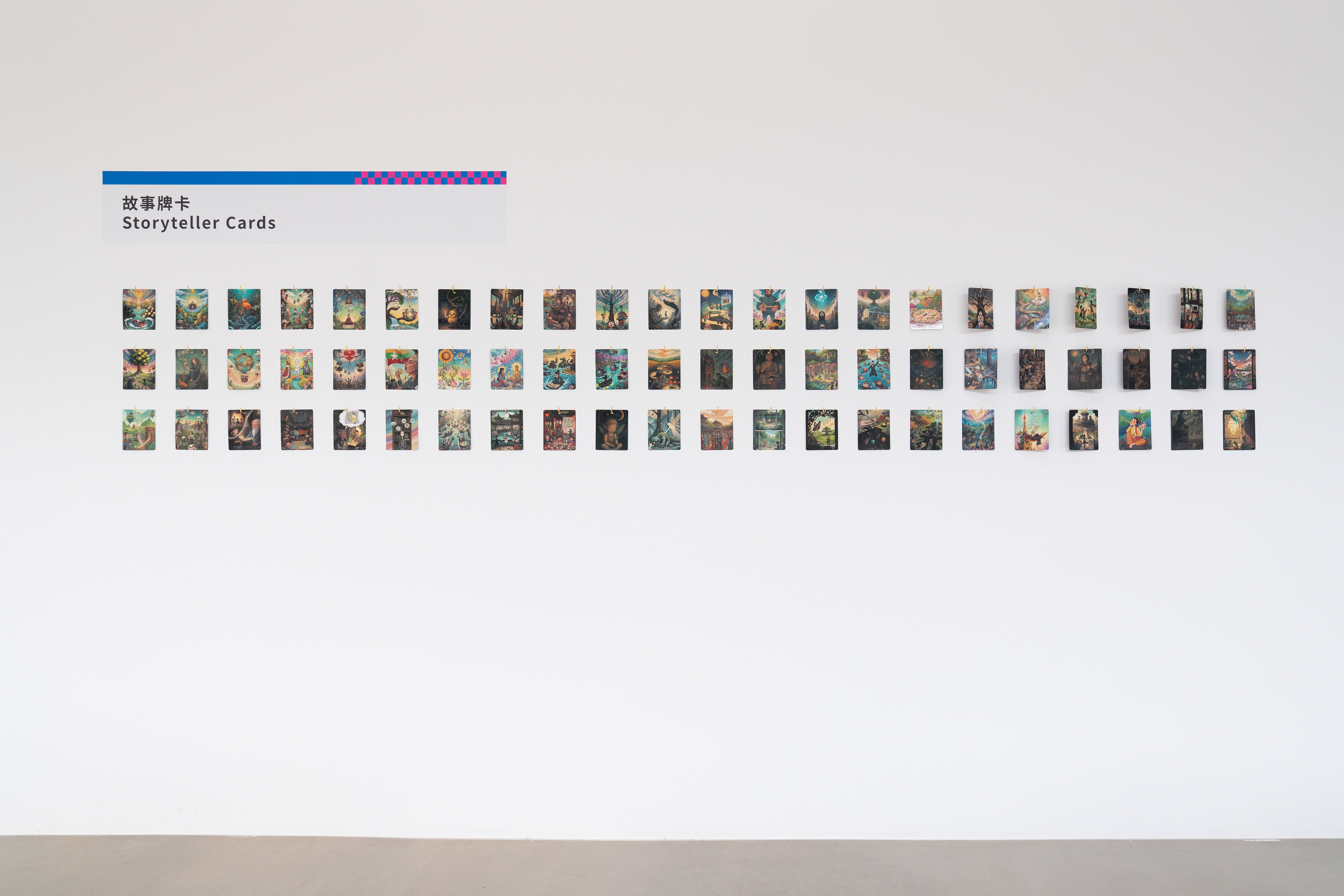
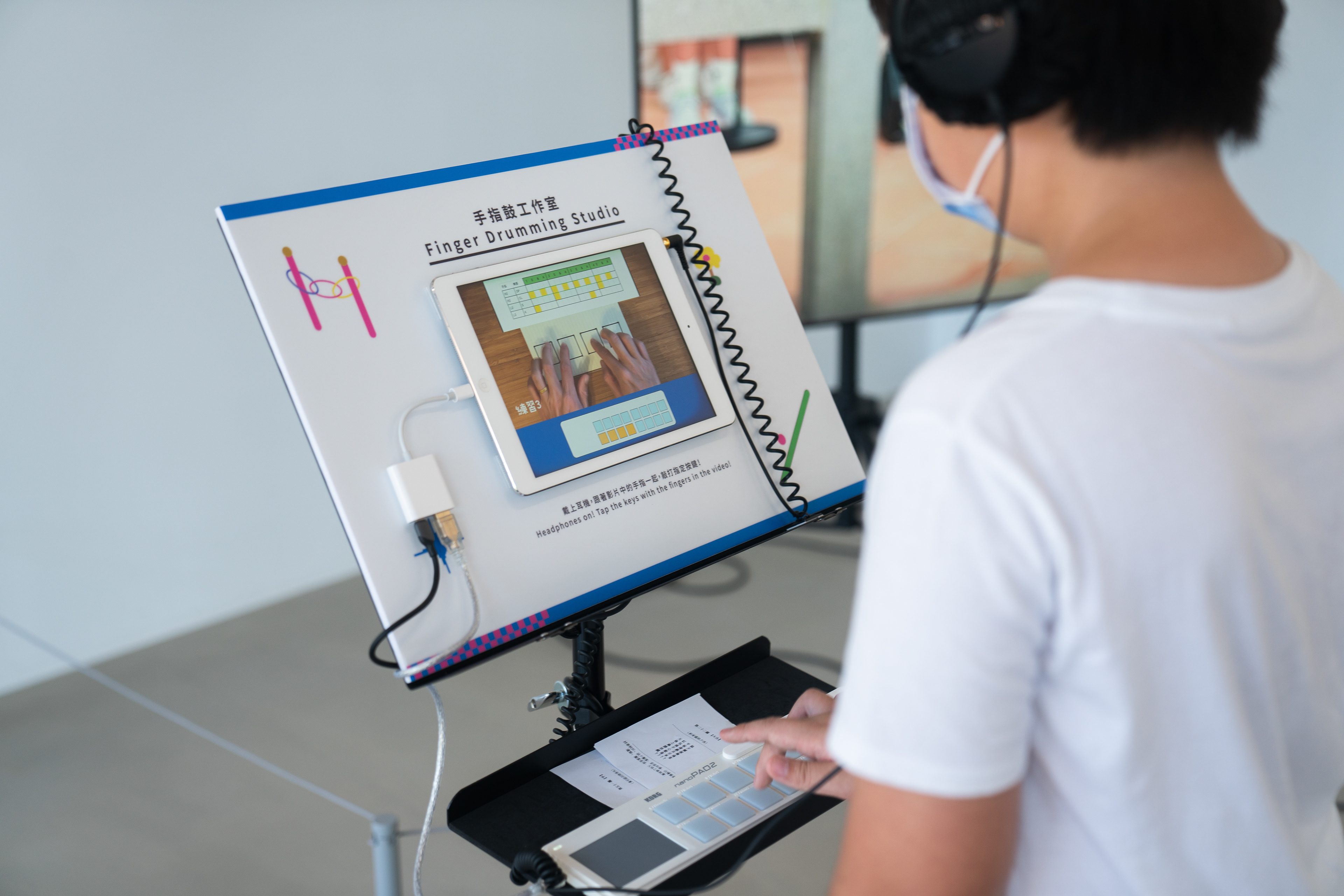
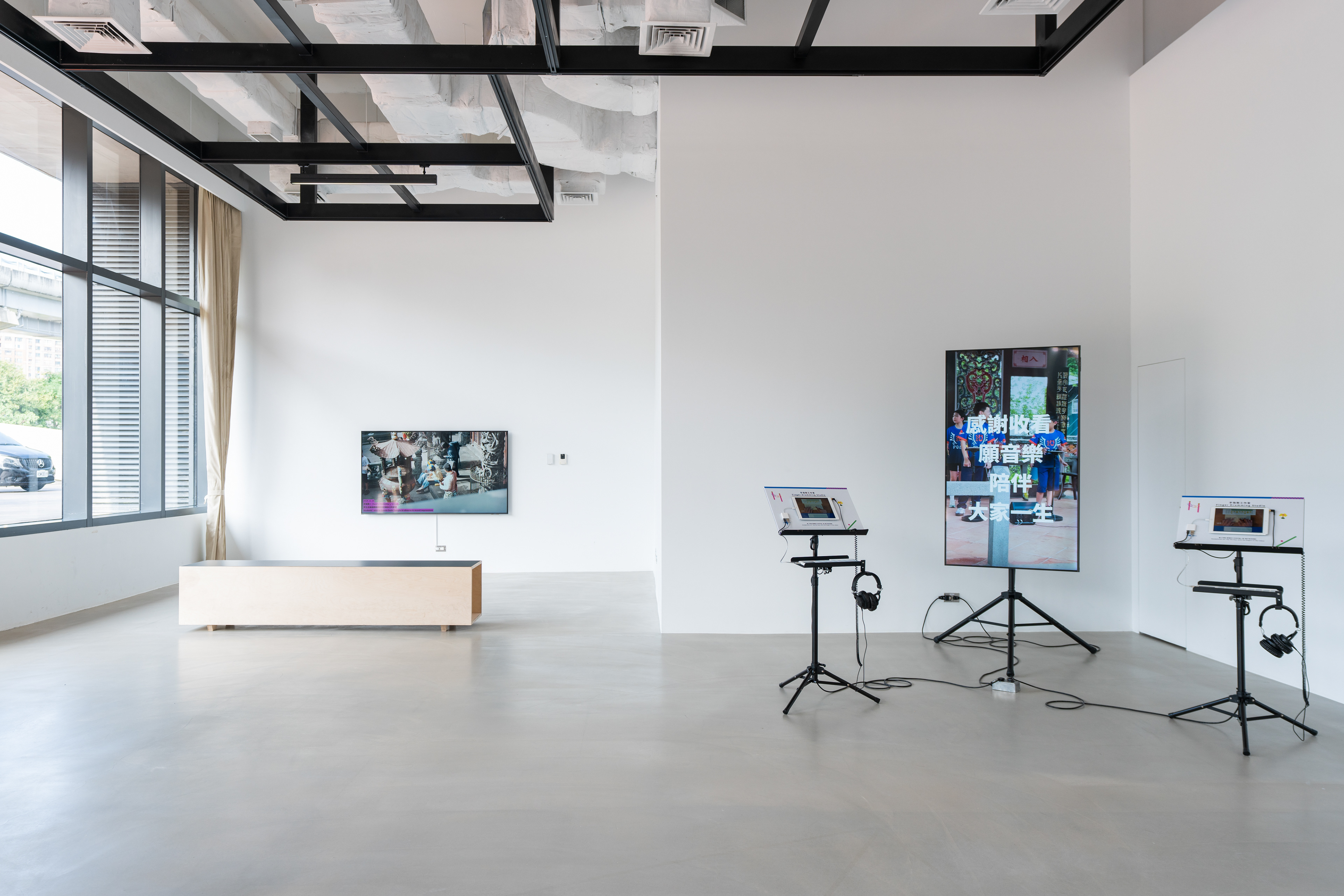
This exhibition is more than a static display of works. Children’s creations are interwoven with immersive environments, forming story-spaces that visitors can step into. Here, the audience is not just a viewer but a participant, resonating with the imagination, memories, and emotions of the students, and joining them in a journey that extends from the fingertips toward the future.
Here, a “tap” is more than just the action of a finger on a screen; it symbolizes the children’s connection with the history of their hometowns. Each tap becomes like turning a page, beginning a dialogue, or sparking a new understanding.
Building on this idea, "Generation T: Tap to Play" starts from the digital habits most familiar to children, reflecting on how technology influences our ways of sensing and learning. The project brings together artists, students, teachers, the museum, and the curatorial team, working collaboratively through dialogue and creative practice to bring contemporary art into classrooms and transform classrooms into sites of artistic encounter.
Throughout the process, children developed three key abilities: the imagination to reorganize life and memory into stories; a sense of place built through fieldwork, observation, and dialogue with their communities; and the technical skills to use digital media and creative tools to express their ideas in multiple forms.
The program began with co-planning between artists and teachers, followed by artists introducing new media and methods into the classroom. Students then created their own works, refining them through exchange and feedback. Finally, they practiced curatorial thinking to interpret and present their projects, culminating in this exhibition shared with the public.
This exhibition is more than a static display of works. Children’s creations are interwoven with immersive environments, forming story-spaces that visitors can step into. Here, the audience is not just a viewer but a participant, resonating with the imagination, memories, and emotions of the students, and joining them in a journey that extends from the fingertips toward the future.
「拇指世代」一詞的靈感源自法國哲學家 Michel Serres 的著作《拇指姑娘》(Petite Poucette)。他指出新世代透過手機和網路,以拇指操作並與世界互動,這不僅改變了日常,也重新形塑了知識與學習的方式。
新北市美術館館校計畫「拇指世代:點擊以開啟」從孩子最熟悉的數位使用習慣出發,思考科技如何影響我們的感受與學習方式。計畫由藝術家、學生、教師、美術館與策展團隊共同合作,透過討論與創作,讓當代藝術走進教室,也讓教室成為藝術發生的場域。
在這裡,「點擊」不只是手指碰觸螢幕的動作,更象徵孩子與家鄉歷史的連結。每一次點擊,都像是翻開一頁、展開一段對話,或觸發新的理解。
在這個過程中,孩子們逐漸培養三種能力:他們運用想像力,把生活與記憶重新組織成故事;藉由走入社區、觀察與訪談,建立對土地的情感與理解;並透過數位媒體與創作工具,學會把腦中的想法以多樣方式呈現。
教學歷程從藝術家與教師的共備討論開始,接著由藝術家把新的媒材與方法帶進課堂。孩子們在此基礎上展開創作,並在互相交流中修正和完善作品;之後再以策展的角度整理與詮釋,最後將成果帶入展覽,與觀眾分享。
這場展覽不只是靜態的作品呈現,而是將孩子的創作與情境空間交織成可被走入的故事場域。觀眾在其中不只是觀看者,更能與學生的想像、記憶和情感產生共鳴,成為共同的參與者,一起展開一場從指尖延伸、面向未來的敘事旅程。
新北市美術館館校計畫「拇指世代:點擊以開啟」從孩子最熟悉的數位使用習慣出發,思考科技如何影響我們的感受與學習方式。計畫由藝術家、學生、教師、美術館與策展團隊共同合作,透過討論與創作,讓當代藝術走進教室,也讓教室成為藝術發生的場域。
在這裡,「點擊」不只是手指碰觸螢幕的動作,更象徵孩子與家鄉歷史的連結。每一次點擊,都像是翻開一頁、展開一段對話,或觸發新的理解。
在這個過程中,孩子們逐漸培養三種能力:他們運用想像力,把生活與記憶重新組織成故事;藉由走入社區、觀察與訪談,建立對土地的情感與理解;並透過數位媒體與創作工具,學會把腦中的想法以多樣方式呈現。
教學歷程從藝術家與教師的共備討論開始,接著由藝術家把新的媒材與方法帶進課堂。孩子們在此基礎上展開創作,並在互相交流中修正和完善作品;之後再以策展的角度整理與詮釋,最後將成果帶入展覽,與觀眾分享。
這場展覽不只是靜態的作品呈現,而是將孩子的創作與情境空間交織成可被走入的故事場域。觀眾在其中不只是觀看者,更能與學生的想像、記憶和情感產生共鳴,成為共同的參與者,一起展開一場從指尖延伸、面向未來的敘事旅程。
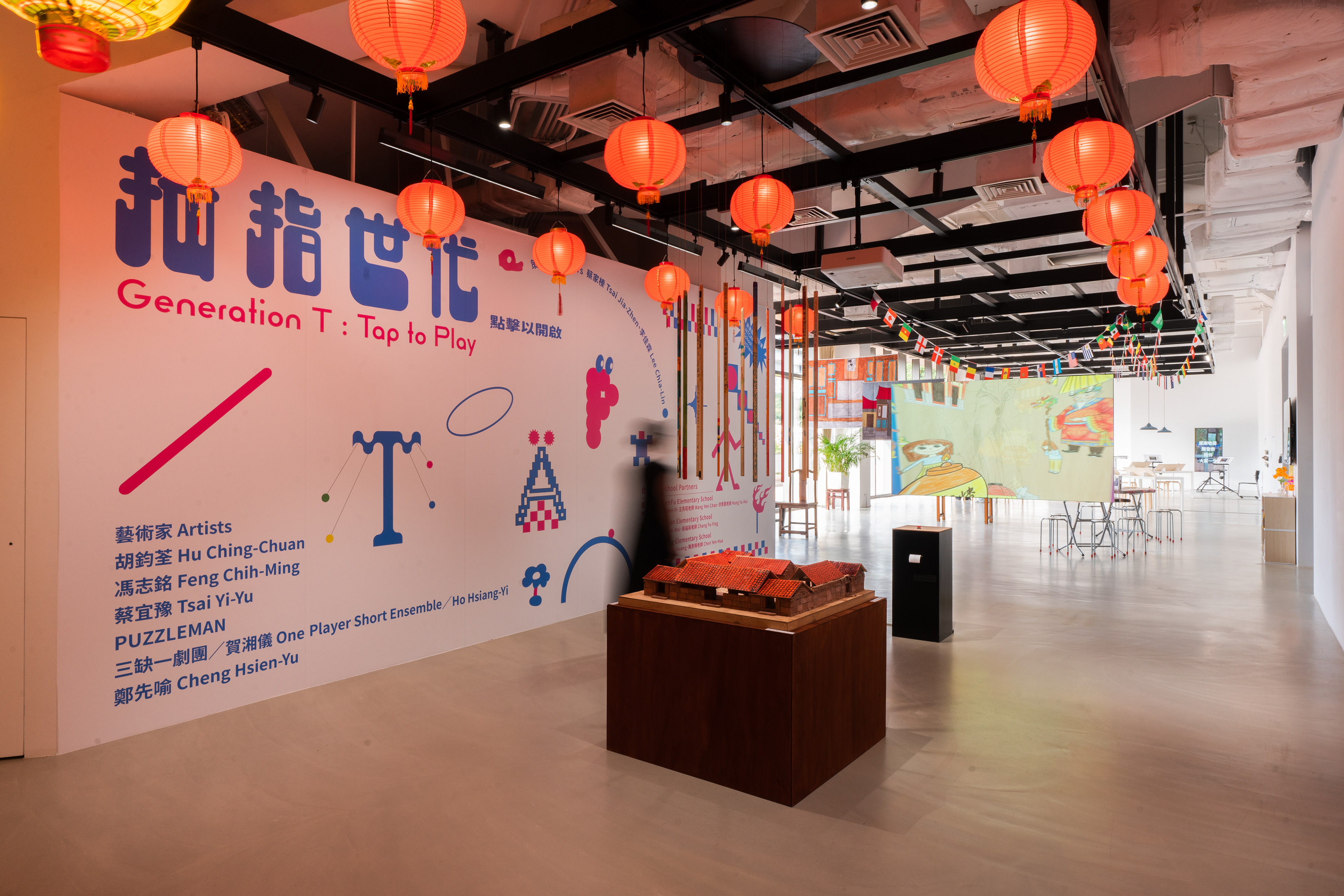
Curators
Tsai Jia-Zhen, Lee Chia-Lin
Tsai Jia-Zhen, Lee Chia-Lin
Artists
Hu Ching-Chuan
Feng Chih-Ming
Tsai Yi-Yu
PUZZLEMAN
One Player Short Ensemble/Ho Hsiang-Yi
Cheng Hsien-Yu
Hu Ching-Chuan
Feng Chih-Ming
Tsai Yi-Yu
PUZZLEMAN
One Player Short Ensemble/Ho Hsiang-Yi
Cheng Hsien-Yu
School Partners
ChenFu Elementary School
Hsieh Chi-Huang
Chen Yen-Hua
ChenFu Elementary School
Hsieh Chi-Huang
Chen Yen-Hua
PuQian Elementary School
Lin Hum-Mai
Chang Fu-Ying
Lin Hum-Mai
Chang Fu-Ying
FuSing Elementary School
Lin Tsen-Yi
Wang Yen-Chao
Hung Yu-Hui
Lin Tsen-Yi
Wang Yen-Chao
Hung Yu-Hui
策展人
蔡家榛、李佳霖
蔡家榛、李佳霖
藝術家
胡鈞荃
馮志銘
蔡宜豫
PUZZLEMAN
三缺一劇團/賀湘儀
鄭先喻
胡鈞荃
馮志銘
蔡宜豫
PUZZLEMAN
三缺一劇團/賀湘儀
鄭先喻
合作學校
成福國小
謝基煌主任
陳彥樺老師
成福國小
謝基煌主任
陳彥樺老師
埔墘國小
林惠美主任
張福英老師
林惠美主任
張福英老師
復興國小
林岑怡主任
王燕昭老師
洪育慧老師
林岑怡主任
王燕昭老師
洪育慧老師
Executive Organizer
ZIMU CULTURE CO., LTD
ZIMU CULTURE CO., LTD
Exhibition Project Manager
Liang Yu-Jing
Liang Yu-Jing
Space Design & Technical Coordinator
Ko Ta-Sheng| UN ART STUDIO
Ko Ta-Sheng| UN ART STUDIO
On-site Production & Installation
Lin Che-Yu, Hsu Zhe-Hao, Wang Young-Hsiang, Chiang Tso-Yu
Lin Che-Yu, Hsu Zhe-Hao, Wang Young-Hsiang, Chiang Tso-Yu
Set Decorator
Chou Pin-Hsin|HÈ.ART STUDIO
Chou Pin-Hsin|HÈ.ART STUDIO
Visual Design
Robert Lin
Robert Lin
Stop Motion Software Development
Eric Tsai
Eric Tsai
Documentary Editing
Chen Yen-Cheng|Bokeh STUDIO
Chen Yen-Cheng|Bokeh STUDIO
Interview Editing
Hong Bao-Yi
Hong Bao-Yi
Still Photography
Lin Wen-Ling
Lin Wen-Ling
Special Thanks
Sanxia Zushi Temple
The Lin Family Masion and Garden
Brilliant Time bookstore
Thabarwa Meditation Center
Vijjanandi
Huang Zhengyu
Kuo Che-Hsi
Sanxia Zushi Temple
The Lin Family Masion and Garden
Brilliant Time bookstore
Thabarwa Meditation Center
Vijjanandi
Huang Zhengyu
Kuo Che-Hsi
執行單位
自牧文化事業有限公司
自牧文化事業有限公司
展覽專案經理
梁予瀞
梁予瀞
展場設計/技術統籌
葛大乘|適格藝術工作室
葛大乘|適格藝術工作室
技術執行
林哲宇、許哲豪、王詠翔、江卓豫
林哲宇、許哲豪、王詠翔、江卓豫
美術陳設
周品妡|鶴藝有限公司
周品妡|鶴藝有限公司
視覺設計
林彥志
林彥志
逐格動畫軟體開發
蔡侑霖
蔡侑霖
教學紀錄剪輯
陳彥成|散景影像製作公司
陳彥成|散景影像製作公司
訪談影片剪輯
洪寶儀
洪寶儀
靜態攝影
林玟伶
林玟伶
特別感謝
三峽祖師廟
板橋林本源園邸
燦爛時光:東南亞主題書店
塔巴瓦禪修協會
釋慈戒
黃正玉
郭哲希
三峽祖師廟
板橋林本源園邸
燦爛時光:東南亞主題書店
塔巴瓦禪修協會
釋慈戒
黃正玉
郭哲希
評論報導 Media Coverage